
Tell us a bit about yourself
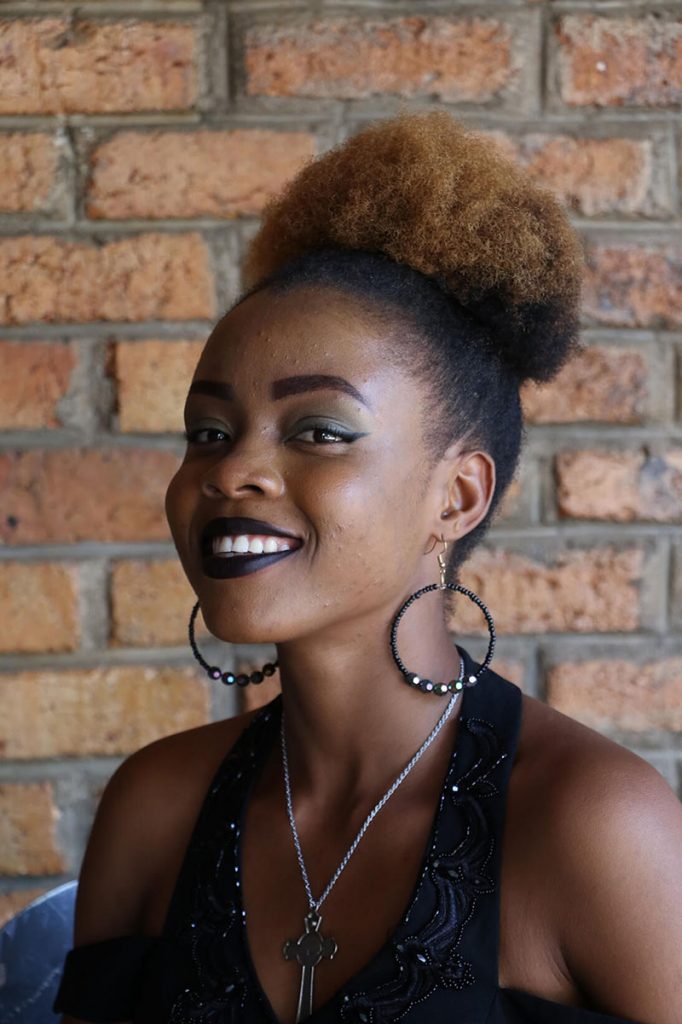
My name is Sharleen Eunice Jirongo, also known as Black Afro. I was born on the 19th of October 1995 in Masvingo, grew up in Harare with my parents and siblings and I am the 4th born in a family of six children. I did my primary level at ZRP support Unit Primary School and my secondary education was at Oriel Girls High. Apart from music I am studying travel, tourism and hospitality.

How was your experience with the #16WomenVoices project and collaboration?
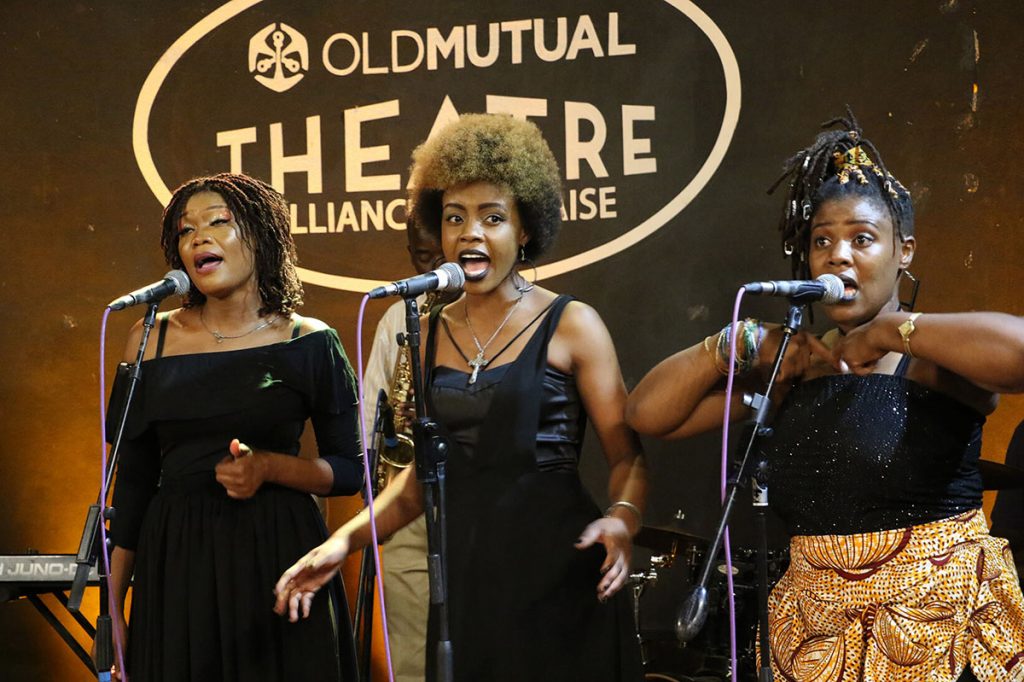
16WomenVoices project was a great experience for me because I got to meet and work with a different talented female artists,
What inspired you to become a musician?
Growing up, I was a quiet person and found it difficult to express my feelings, so I used music as my voice, my strength and comfort. Also I had much inspiration from my Uncle who is a musician as well.
Who are your biggest music influences?
My biggest musical influences are Lila Ike, Celine Dion, and Chiwoniso Maraire, it’s all in their music.
How would you describe the music that you typically create?
The type of music I do is Afro-jazz, Afro fussing and reggae.
What is your creative process like?
When creating music most times it just hits me without even thinking, I just get melodies in my head and I find words to play around that melody and sometimes I use instrumentals, I don’t usually need a specific time or place to create something.
Do you play any instruments?
Iam learning Mbira (Nyunga Nyunga and Nhare). I’m also looking forward to learning the piano as well, these are just the instruments I have fallen in love with
Do you have any hobbies or interests outside of music?
My hobbies are cooking, gardening, watching movies, and given a chance I’d also love to play tennis
Who would you most like to collaborate with and why?
I wouldn’t give a specific name for collaborations because I am a person who enjoys working with different people, so basically I can do collaborations with anyone willing.
Tell us about the most memorable performance in your career.
My most memorable performance was at Roosevelt Secondary school, it was a Catholic function (wold youth day) and my friends and I were performing there as a band, Trable band was the name, back then we were just amateurs in the music industry but it was an awesome experience and I loved it, I remember when it was time for me to perform my song I forgot lyrics and went blank, it gave me a great lesson and a great experience.
What’s the best piece of advice another musician ever gave you?
I have worked with a musician by the name Samba Ranx who told me that, “when you feel like giving up, that’s when you should stand up and start pushing”. And I thank him every day, for those few words keep me going.
Do you follow a process or ritual before a performance to get rid of nerves or performance anxiety?
Before performance, I mostly do vocal warm-ups
How important is music to society
Music is very important to society. It is entertainment, it comforts, it excites and relieves the human mind. Music is some kind of therapy.
If you could go open a show for any artist who would it be and why?
I can open a show for any artist, I can gladly do it, music is entertainment.
If you could change anything about the industry, what would it be?
If I could change anything in the music industry, it would be an abuse of talent, especially for a female artist.
What would you be doing right now, if it wasn’t for your music career?
If it wasn’t for my music career I don’t really know what else I would probably be doing because as for now I don’t feel like I’m being deprived of anything.
What advice would you have for someone wanting to follow in your footsteps?
My advice would be, if you have the talent, know that it is yours to die with and nobody can take it away from you, all that is needed is patience and persistence. Everything works out in the end
What can we look forward to in the near future?
I have a new project I am working on, it best describes me as an artist, basically my music journey and also how I have re-branded from Sharjie Mwana WeMuBhoi to Black Afro.
There’s more to come, all updates will be on my Instagram @BlackAfro070 and Facebook @Sharleen Jirongo. You can access my music on YouTube page @BlackAfro070
Watch The full Show below

